The Subscription Model That
Quietly Repriced Sustainability
There is a moment in every market where the pricing stops making sense. Sustainability hit that point around 2022. Everyone wanted to be “net zero aligned”. No one could explain what they were paying for. And most of it, if we are being honest, was theatre.
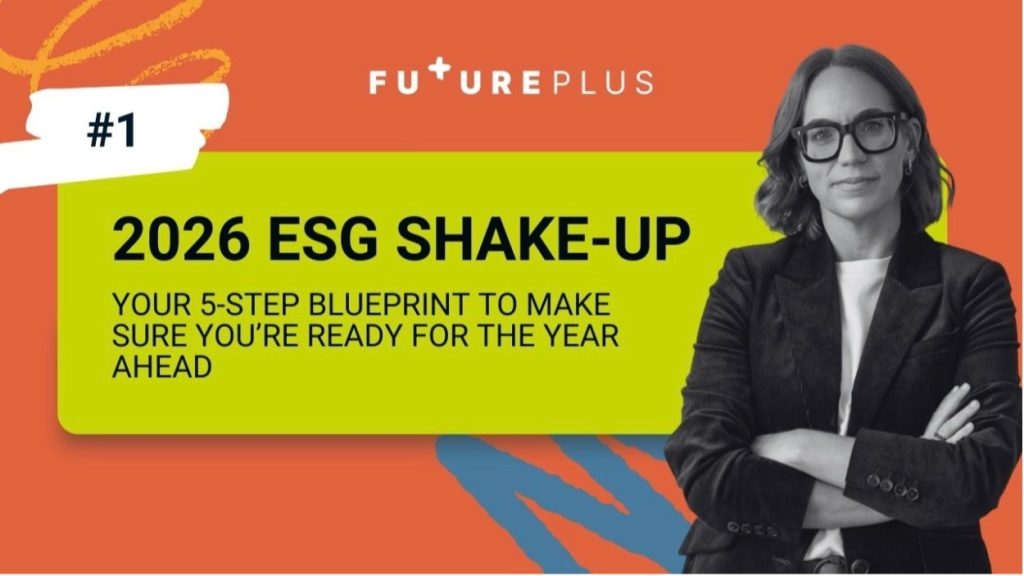
ESG Subscription Commercial ModelThen FuturePlus did something quietly disruptive. They turned sustainability into a subscription.
Not consultancy. Not a one-off audit. Not a PDF that gets buried in a board pack. A system. And that distinction — between a deliverable and a system — is where most companies are still getting it wrong.
“Recurring revenue in ESG is not just a business model. It is a signal. It tells clients this is not a campaign. It is a capability.”
The Pricing Layer Is the Strategy
If you look at their pricing structure, it tells you everything about the business. They are not selling sustainability. They are selling progress as a service.
Monthly subscription. Structured tiers. Ongoing scoring. Continuous improvement. That matters. Because the real shift in ESG over the last two years is not regulation. It is operationalisation.
Companies no longer need to prove they care. They need to prove they are improving. And improvement needs infrastructure. That is the gap FuturePlus is filling — and it is a large gap.
Old World vs New World
The Old Way
- Hire consultants
- Get a report
- Put it on your website
- Move on
The New Infrastructure
- Track performance
- Benchmark continuously
- Improve incrementally
- Report dynamically
FuturePlus sits in that second category. And that is where the money is. Because recurring revenue in ESG is not just a business model. It is a signal that this is not a campaign — it is a capability.
The Hidden Buyer
Most people assume the buyer is the sustainability lead. It is not. It is the commercial team.
Because ESG has moved from “nice to have” to “deal blocker”. If you cannot show credible progress, you lose partnerships, procurement access, and increasingly, funding. FuturePlus has positioned itself not as a moral layer, but as a commercial unlock.
That repositioning — from values to value — is where the category starts to get interesting at scale.
What This Means For You
If you are running a business in 2026 and you are still treating sustainability as a one-off project, you are behind. The market has moved to continuous reporting, evidence over claims, systems over statements.
FuturePlus did not invent that shift. They just priced it correctly. And in most markets, whoever prices a structural shift correctly tends to own the next decade of it.