Your Voice Is Becoming a Licensable Asset. The Contract Is the Product.
By Darren Rebeiro
October 20, 2026
5 min read
Clear, grounded coverage of the tools and innovations shaping everyday life and business. This category includes product reviews, explainers, digital trends, AI and cybersecurity, and what new tech really means for how we live and work.

A.i.AIConsumer TrendsEntrepreneurshipFintechUK Business
Insurers are beginning to make AI malfunction and regulatory exposure explicit in cyber cover. The bigger shift is that underwriting may become one of the most powerful forms of practical AI governance.
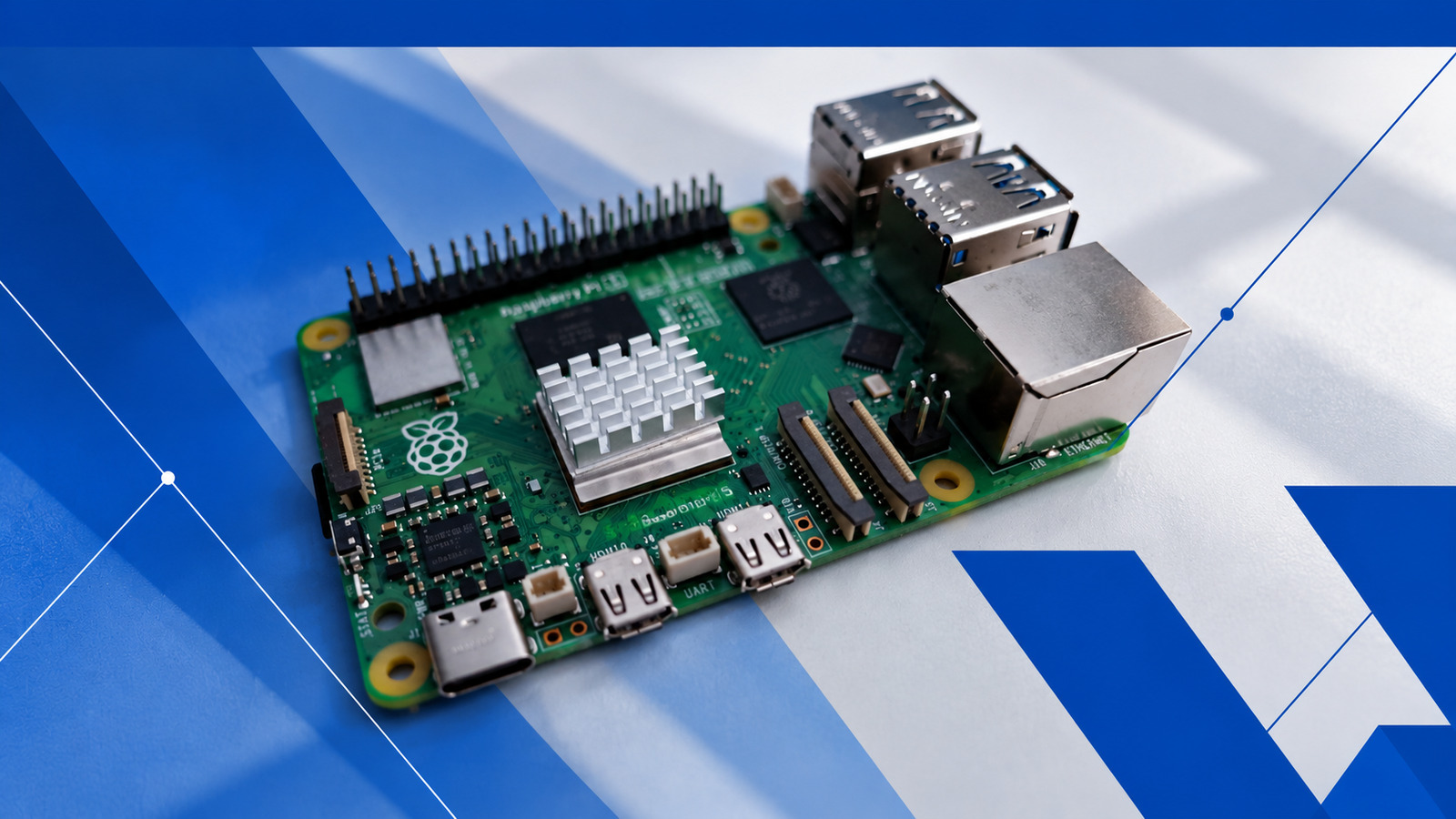
Record revenue and profits are the headline. The deeper signal is rising demand for edge AI: intelligence moving into devices where latency, privacy, resilience and cost matter more than raw cloud scale.

Traditional consultancies are not simply facing a budget squeeze. As technology firms become the first call for transformation work, the sector is being forced to prove where advice ends and measurable value begins.

Britain is preparing for severe AI labour disruption. The bigger risk may be quieter: fewer junior roles, smaller graduate intakes and an entry-level career ladder that starts to disappear.
A new public grid investor sounds like energy policy. It is also industrial policy. When data centres, factories, batteries and housing all compete for electricity connections, the speed of the grid starts deciding where growth can happen.
The old reputation attack tried to own page one of Google. The new version can generate dozens of apparently independent stories in hours — and that matters in a world where search engines, compliance tools and AI assistants increasingly mediate what people see as true.
The most interesting part of the UK’s £7.8bn space strategy is not another grant pot. It is a shift from funding innovation to buying it — potentially giving British space companies the customer they need to scale.
